How 1-to-1 Gymnastics Coaching Helps Shy or Anxious Children Thrive
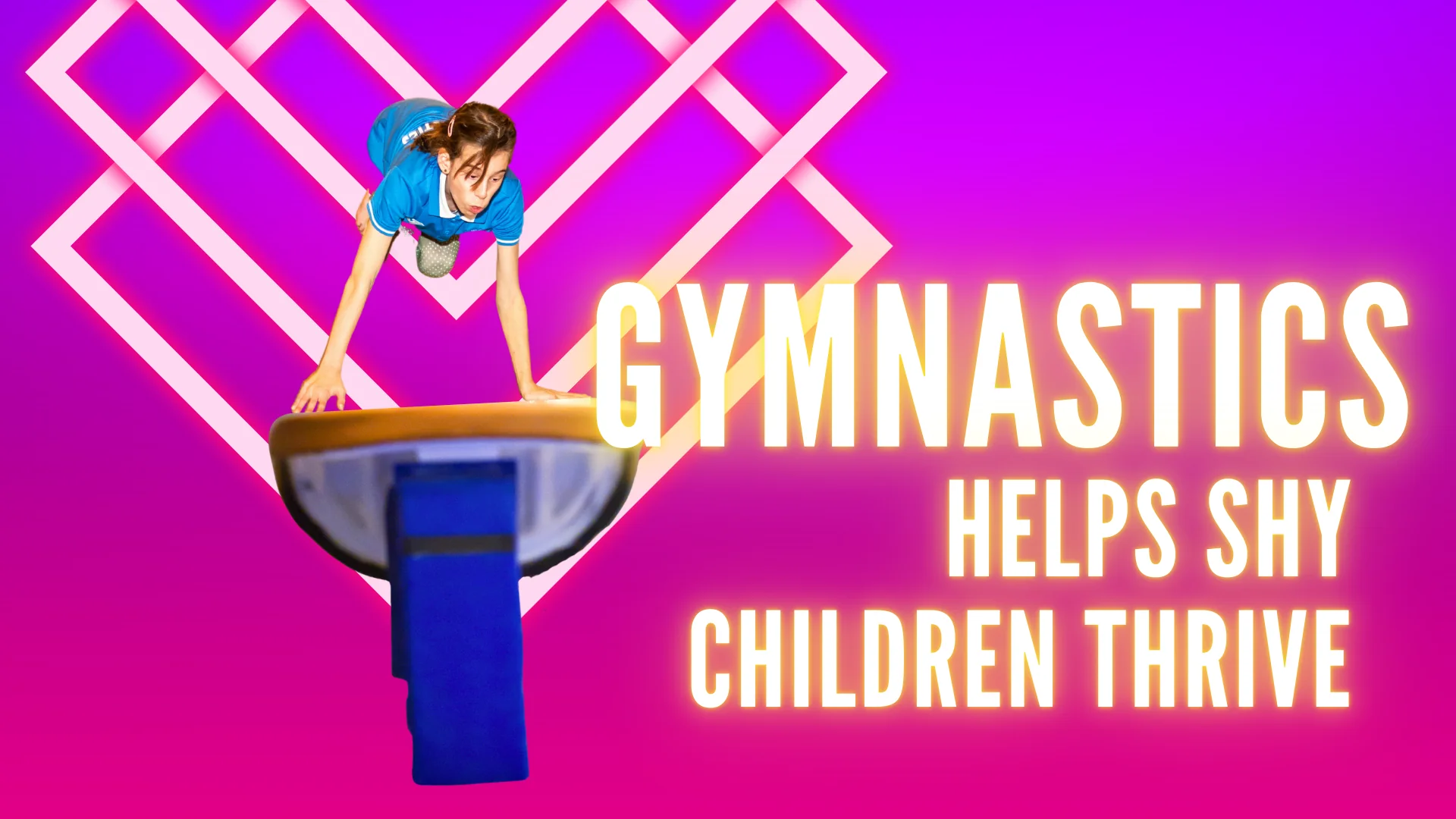
Some children run confidently into a gym.
Others hang back.
Some volunteer first.
Others quietly watch.
Neither type is “better”. They are simply different.
In my experience working with children across Kensington, Chelsea, or Knightsbridge, one of the most common reasons parents explore 1-to-1 gymnastics coaching is not speed of progress — it is confidence.
If your child is shy, sensitive, cautious, or easily overwhelmed in groups, individual coaching can provide a powerful bridge between hesitation and self-belief.
Why Some Children Find Group Classes Overwhelming
Group classes offer wonderful energy and social interaction — but they can also feel intense for certain children.
Noise, movement, and comparison
Busy environments involve:
-
multiple children moving at once
-
background noise
-
waiting turns
-
being observed
For a confident child, this can feel exciting.
For a shy or anxious child, it can feel overwhelming.
This does not reflect ability. It reflects temperament.

Fear of “getting it wrong”
Some children hesitate not because they cannot perform a skill, but because they are afraid of making mistakes publicly.
In a group, even small errors can feel amplified.
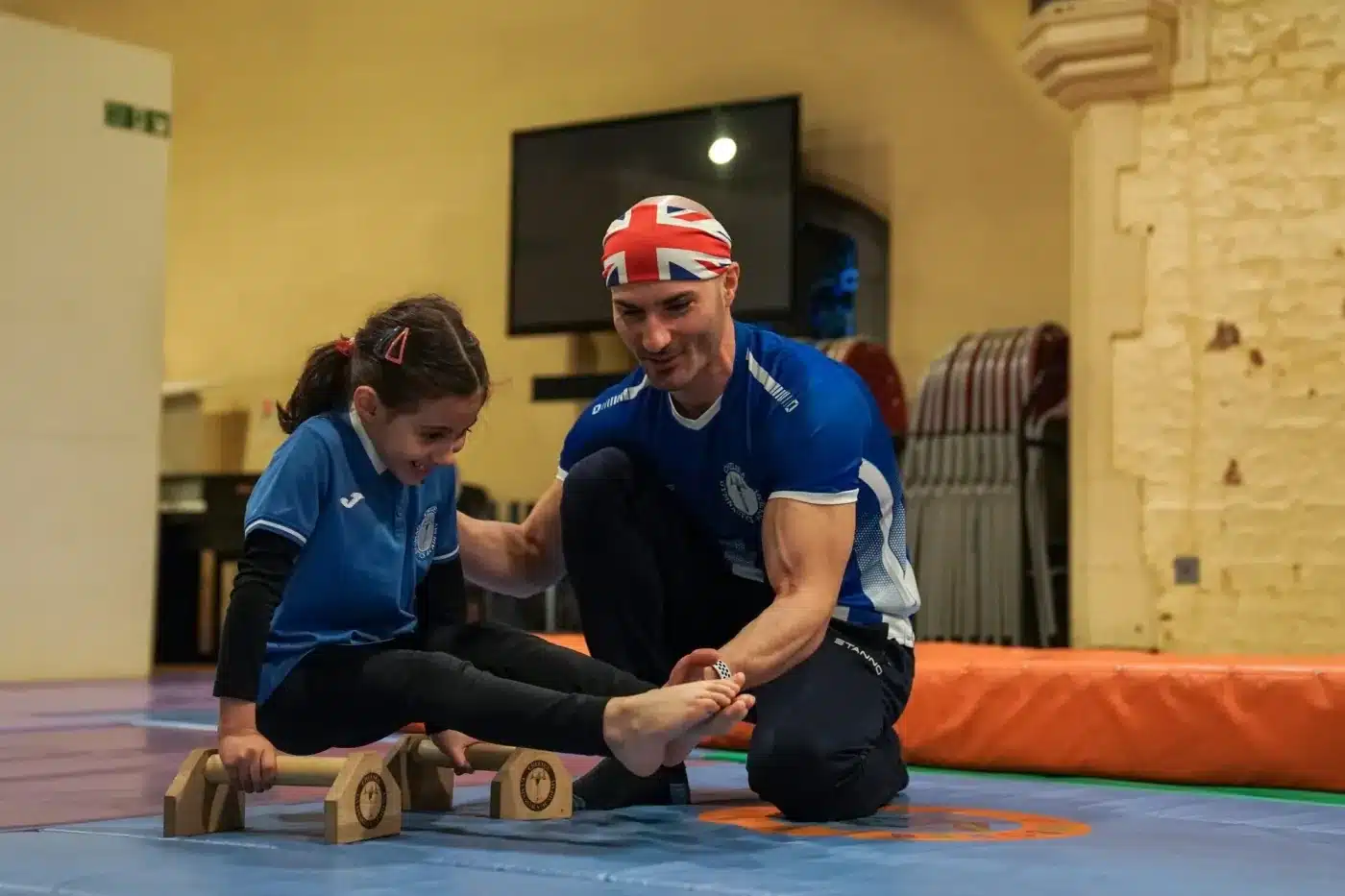
In a 1-to-1 session, mistakes become part of the learning process — not a performance.
What 1-to-1 Coaching Changes for Shy Children
Individual coaching shifts the emotional environment completely.
A calmer pace
In 1-to-1 sessions:
-
transitions are slower
-
instructions are clearer
-
there is time to process
This reduces pressure and increases focus.
Parents often notice that this calmer learning environment also helps children improve more steadily. If you’re curious about how quickly children can realistically develop new skills in individual sessions, you may find our guide on how quickly children can progress with 1-to-1 gymnastics coaching helpful.
If you’re unsure whether private coaching is the right fit for your child, you may find our parent decision guide helpful:
👉 Is 1-to-1 Gymnastics Coaching Right for My Child?
A calmer pace also supports safe skill learning, particularly when children are developing new movement patterns. If you’re interested in the role supervision and structured progressions play in gymnastics safety, you can read our guide on whether private gymnastics coaching is safer than group classes.
Personalised encouragement
Confidence builds when children feel:
-
understood
-
not rushed
-
praised for effort
Individual sessions allow encouragement to be specific and authentic.
Gradual exposure to challenge
A shy child does not need to be pushed harder.
They need:
-
predictable structure
-
achievable steps
-
visible progress
Small wins compound.
The Science Behind Confidence and Skill Learning
Confidence in physical activity is closely linked to perceived competence.
When children:
-
feel capable
-
experience success
-
receive timely feedback
they are more likely to persist.
Individualised feedback accelerates this process by preventing repeated frustration.
If you’d like to understand the science behind this in more depth, you can read our article on
👉 how individualised coaching accelerates motor development in children
Motor learning and confidence are not separate — they develop together.
When 1-to-1 Coaching Is Particularly Helpful
After a long break
Children returning after:
-
illness
-
relocation
-
school transition
often benefit from rebuilding confidence privately before rejoining groups.
Following a difficult experience
If a child has:
-
felt embarrassed
-
struggled in another activity
-
experienced minor injury
individual sessions can restore trust in movement.
Before transitioning into group classes
Some families choose short-term 1-to-1 coaching as a gentle introduction before enrolling in regular children’s gymnastics classes.
This “bridge” model works particularly well for ages 5–8.
Building Long-Term Resilience, Not Dependency
A common concern parents have is:
“Will private coaching make my child dependent?”
In reality, when delivered thoughtfully, 1-to-1 coaching should do the opposite.
It should:
-
increase independence
-
build emotional regulation
-
strengthen self-belief
The goal is not permanent individual support — it is equipping the child to thrive in any setting.
What This Looks Like at KCGA
Across Kensington, Chelsea and Knightsbridge, our approach to 1-to-1 sessions prioritises:
-
calm communication
-
structured progression
-
safeguarding-first standards
-
realistic goal-setting
For some children, this may be a short-term confidence boost.
For others, it may be a longer-term pathway.
If you would like to explore how 1-to-1 gymnastics coaching could support your child’s confidence, you can read more about our approach here:
Frequently Asked Questions
Is 1-to-1 coaching only for anxious children?
No. It benefits many children — but it can be especially supportive for those who feel hesitant in groups.
How long does it take to see confidence improve?
Often within a few sessions, as children experience manageable success.
Can my child move back into group classes later?
Yes. Many families use 1-to-1 sessions as a stepping stone.
👤 About the Author
Dr. Stefan Kolimechkov
Sports Scientist, British Gymnastics Coach, and Founder of Kensington & Chelsea Gymnastics Academy.
Dr Kolimechkov specialises in children’s physical development and health-related exercise science. His international, peer-reviewed research underpins the science-based approach used throughout the KCGA Academy, helping parents make informed decisions about their children’s long-term health and wellbeing.
📘 Continue Learning in the KCGA Academy
If you found this guide helpful, you may also be interested in exploring related topics in the KCGA Academy, where we share calm, evidence-based insights to support children’s physical development.
0 Comments