Urban family guide · London
Best Sports for Children Living in Cities
A practical way to choose activities that work with city life—limited space, busy journeys, changing weather and the child’s need for varied, enjoyable movement.

No sport is automatically best because a child lives in a city. Look for an activity the child wants to return to, a trustworthy provider, varied movement and a journey the family can sustain. Indoor reliability is useful; outdoor play and active travel still matter.
A city can offer extraordinary choice, yet the practical barriers are real. The useful question is not “Which sport wins?” but “Which activity can this child enjoy and this family repeat?”
What you will take away
- How urban space, travel and weather change the decision
- A fair comparison of six widely available activity types
- Why a child’s active week is bigger than one formal lesson
- How to balance indoor reliability with outdoor experience
- What to check about coaching, safeguarding and family logistics
Fit the whole system
Four realities shape a good city choice
The activity name matters, but the surrounding system often decides whether participation becomes positive and sustainable.
Child
Interest, confidence, sensory preferences, age and current readiness.
BEGIN WITH THE PERSONPlace
Indoor or outdoor, space, noise, surfaces, weather and accessibility.
THE SETTING CHANGES THE TASKProvider
Coaching quality, safeguarding, inclusion, group design and communication.
PEOPLE SHAPE THE EXPERIENCERoutine
Door-to-door travel, cost, school-day timing, food, rest and consistency.
REPEATABLE BEATS IDEALCity living changes the route, not the child’s need to move. Formal sport can help, but so can active travel, playground time, PE, family movement and free play.
Six useful possibilities
Compare activities through an urban lens
These summaries describe common formats, not guaranteed outcomes. A provider’s people, culture and session design can matter more than the label on the activity.
Gymnastics
Balance, landing, rotation, shapes, mobility, strength and control of the body in space.
- Urban advantage
- year-round indoor structure with visible skill progressions
- Check before joining
- travel, supervision, apparatus safety, group size and how fear is handled
Swimming
Water confidence, propulsion, breathing control, repeated movement and an important life skill.
- Urban advantage
- public and school pools can offer year-round access
- Check before joining
- pool journey, changing time, water confidence, ratio and safety teaching
Football
Running, changing direction, ball control, shared decisions and game-based cooperation.
- Urban advantage
- many schools, parks and sports centres offer local programmes
- Check before joining
- pitch access, weather plan, playing time, team culture and seasonal kit
Tennis
Tracking, striking, timing, footwork and individual or doubles decision-making.
- Urban advantage
- compact sessions and courts in parks or leisure centres
- Check before joining
- court ratio, age-sized equipment, weather and indoor alternatives
Dance
Rhythm, sequences, musical interpretation, mobility and expressive movement with others.
- Urban advantage
- a wide choice of styles in studios, schools and community venues
- Check before joining
- style, class culture, performance expectations and progression
Martial arts
Balance, structured sequences and—depending on the discipline—partner practice and contact.
- Urban advantage
- indoor programmes often run through the year in compact venues
- Check before joining
- discipline, contact policy, protective equipment, coaching tone and safeguarding
Do not choose only for convenience. A nearby activity is valuable when the child also feels safe, included and interested. Equally, the “perfect” programme may fail if the weekly journey makes attendance stressful.
See the practical trade-offs
The urban-fit comparison
Use this as a shortlist tool, not a ranking. Local formats, venues and providers vary.
Think beyond one class
Build an active city week
For children aged 5–18, UK guidance recommends an average of at least 60 minutes of moderate-to-vigorous physical activity per day across the week, with varied types and intensities. It can include active travel, play, PE, after-school activity and sport1.
Everyday movement
Walk part of a journey, use stairs, visit a playground or add short movement breaks.
Structured practice
Choose coaching that is safe, progressive and interesting enough to return to.
Choice and recovery
Protect free play, sleep, family time and days that are not crowded with organised activity.
EVIDENCE CHECK
The environment influences opportunity—but it does not decide destiny
Research reviews associate neighbourhood features such as access, safety, walkability and recreation spaces with children’s activity participation, while also showing that relationships vary by age, context and activity domain4. Families should not be blamed for barriers they cannot control. The practical aim is to identify workable opportunities within the real environment.
A reliable indoor option
Where gymnastics can fit in city life
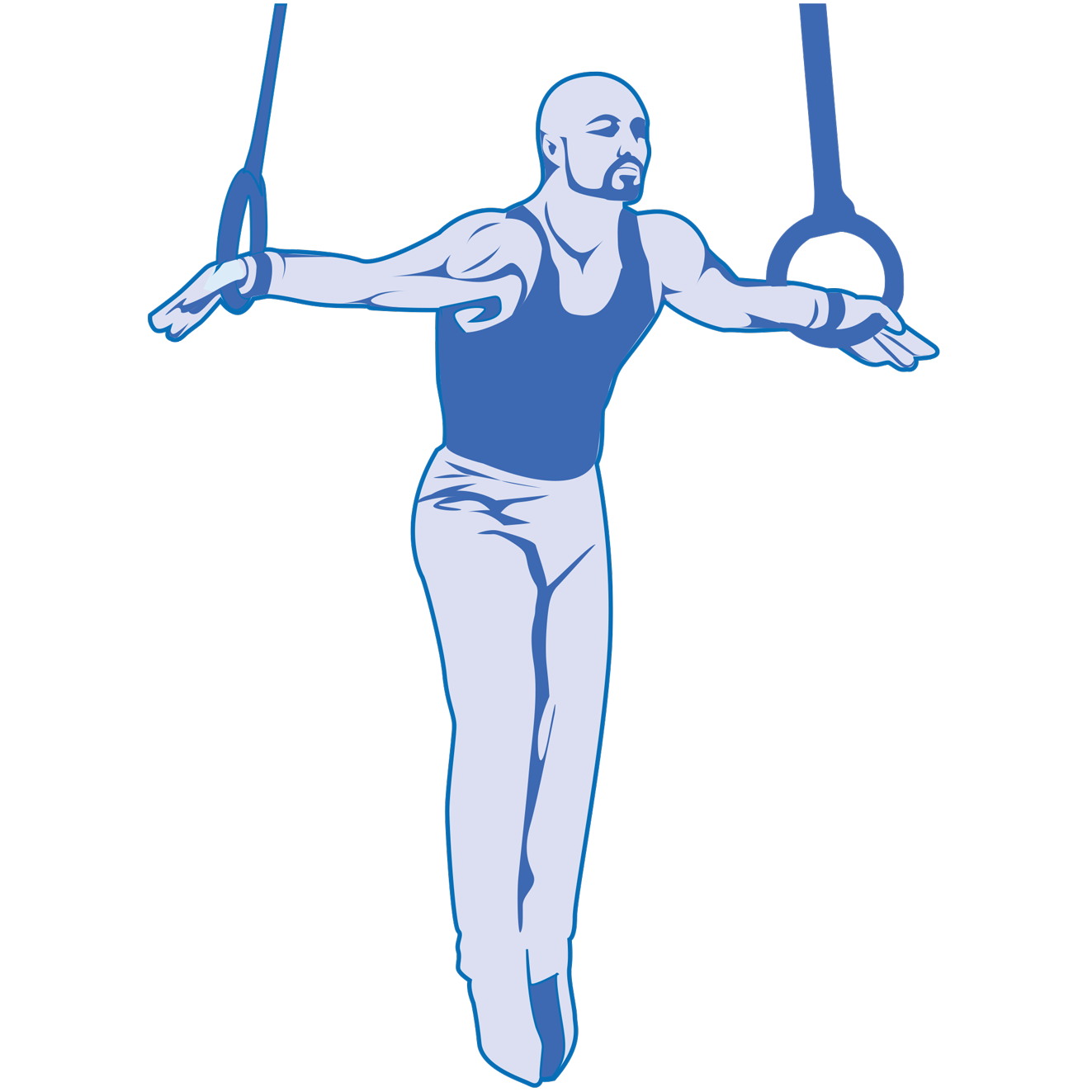
Gymnastics can provide repeated experience of balance, landing, rotation, support positions, mobility and body control in an indoor setting. It may complement team games, swimming, playground activity and active travel—but it does not need to replace them.

GYMNASTICS MAY FIT WHEN
- the child enjoys step-by-step whole-body skills
- an indoor routine helps the family attend consistently
- apparatus and visible milestones create curiosity
- the provider explains progressions and safeguarding clearly
KEEP THE WEEK BROADER BY
- including active travel or outdoor play where possible
- leaving room for rest and unstructured time
- following the child’s interests rather than filling every day
- reviewing whether the routine remains positive and manageable
The timetable begins before the lesson
Design around the whole journey
A 60-minute class may require far more than 60 minutes of family time. Test the actual routine, especially on a school day.
Door-to-door reality
Include collection, traffic, public transport, walking, changing and the return journey.
Food, rest and homework
Notice whether the child arrives ready to participate or already depleted by the day.
Weather and daylight
Understand cancellation policies, winter travel, surfaces, clothing and indoor alternatives.
Enough space in the week
More activities are not automatically better. Protect sleep, recovery and family time.
The most sustainable plan may be a mixed one: one well-chosen class, active journeys when practical, school activity, informal play and enough recovery.
The provider matters as much as the postcode
Five checks before you enrol
Parents should be able to understand safeguarding, staffing, supervision, emergency arrangements and how concerns are handled in an out-of-school setting3.
Who leads safeguarding?Ask for the policy and the named person to contact with a concern.
How are coaches recruited and prepared?Ask about qualifications, role-appropriate DBS checks, safeguarding and first aid.
How is the group supervised?Understand ratios, arrival and collection, changing areas and use of shared venues.
How are challenge and behaviour managed?Look for clear instruction without humiliation, fear or unnecessary pressure.
Can we understand the session first?Ask whether you can observe, trial or receive a clear description before committing.
Convenience is not a safeguarding standard. A provider should be able to explain how children are supervised, supported and protected.
Read the KCGA safety guide →Turn a long list into a useful shortlist
The four-step urban-family test
Start with real options
List suitable activities reachable at the actual day and time.
MAP THE ROUTE, NOT ONLY THE POSTCODEFollow the child
Choose settings and movement challenges that create genuine interest.
INTEREST IS USEFUL INFORMATIONObserve or trial
Notice the coach, atmosphere, tasks, supervision and child’s response.
THE PROVIDER CHANGES THE SPORTTest the whole week
Ask whether attendance, enjoyment, sleep and family life can coexist.
GOOD ROUTINES REMAIN HUMANIn a city full of choices, the strongest option is often the one a child enjoys and a family can keep making possible.
DR STEFAN KOLIMECHKOVCommon parent questions
Children’s sport in cities: FAQs
What sport is best for children living in a city?
There is no universal best sport. Compare the child’s interest, the provider, the movement experience and whether the routine is sustainable. Indoor reliability can help, but outdoor activity, play and active travel remain valuable parts of the week.
Are indoor sports better for London children?
Indoor activities can make winter and wet-weather routines more predictable. Outdoor activity offers different spaces, surfaces and experiences. A mixed week is often more useful than treating one setting as automatically superior.
Does one weekly class provide enough activity?
A class can contribute, but UK guidance describes an average of at least 60 minutes of moderate-to-vigorous activity per day across the week for ages 5–18. PE, play, walking, cycling and other activities also count.
What if we do not have a park nearby?
Families cannot remove every environmental barrier. Look for realistic alternatives such as school activity, leisure centres, community halls, short active journeys, indoor classes and movement at home. The aim is workable opportunity, not parental perfection.
Should my child attend several organised sports?
Not necessarily. Variety is valuable, but it does not require several paid clubs. A single well-designed programme can sit alongside play, PE, active travel, family activity and adequate rest.
How do we know whether the travel is worth it?
Test the door-to-door routine and review it after several weeks. Consider the child’s enjoyment, coaching quality, fatigue, cost and effect on sleep and family life—not only the lesson itself.
Evidence checked
Sources and limitations
- Department of Health and Social Care. UK Chief Medical Officers’ physical activity guidelines. Children and young people aged 5–18. Updated July 2026.
- Sport England. Active Lives Children and Young People Survey. Academic year 2024–25 report and data resources.
- Department for Education. Using after-school clubs, tuition and community activities: guidance for parents and carers. Updated February 2026.
- Nordbø ECA, et al. Promoting activity participation and well-being among children and adolescents: a systematic review of neighbourhood built-environment determinants. JBI Evidence Synthesis. 2020;18(3):370–458.
- World Health Organization. WHO guidelines on physical activity and sedentary behaviour. 2020.
- Kensington & Chelsea Gymnastics Academy. Children’s gymnastics classes. Current programme information. Accessed November 2026.
This guide compares common activity characteristics and urban practicalities. It does not rank individual providers, diagnose a child’s needs or claim that one sport causes a particular outcome. Availability, prices, staffing and formats change; check current information directly with each provider.

One city-friendly option
Would your child enjoy a gymnastics class?
Explore KCGA’s current children’s programmes in Kensington, Knightsbridge, South Kensington and Chelsea. Check the age group, venue, timetable and class format before enquiring.
0 Comments