How to Support Your Child Safely at Home
Many parents ask how they can support their child’s gymnastics progress outside of class. While structured coaching is essential for technical skill development, there are safe and effective ways to reinforce strength, coordination, and confidence at home.
The key is not to replicate formal gymnastics training — but to focus on foundational physical development that supports long-term progress.
At our children’s gymnastics classes in Kensington & Chelsea, we often guide families on how to approach home practice safely and sensibly. Below is a practical framework you can follow.
What Should (and Shouldn’t) Be Practised at Home
Not all gymnastics skills are suitable for home practice.
Safe to practise:
-
Balance drills (single-leg stands, slow walking lunges)
-
Core control exercises (planks, hollow holds)
-
Basic shoulder strength (wall push-ups, incline push-ups)
-
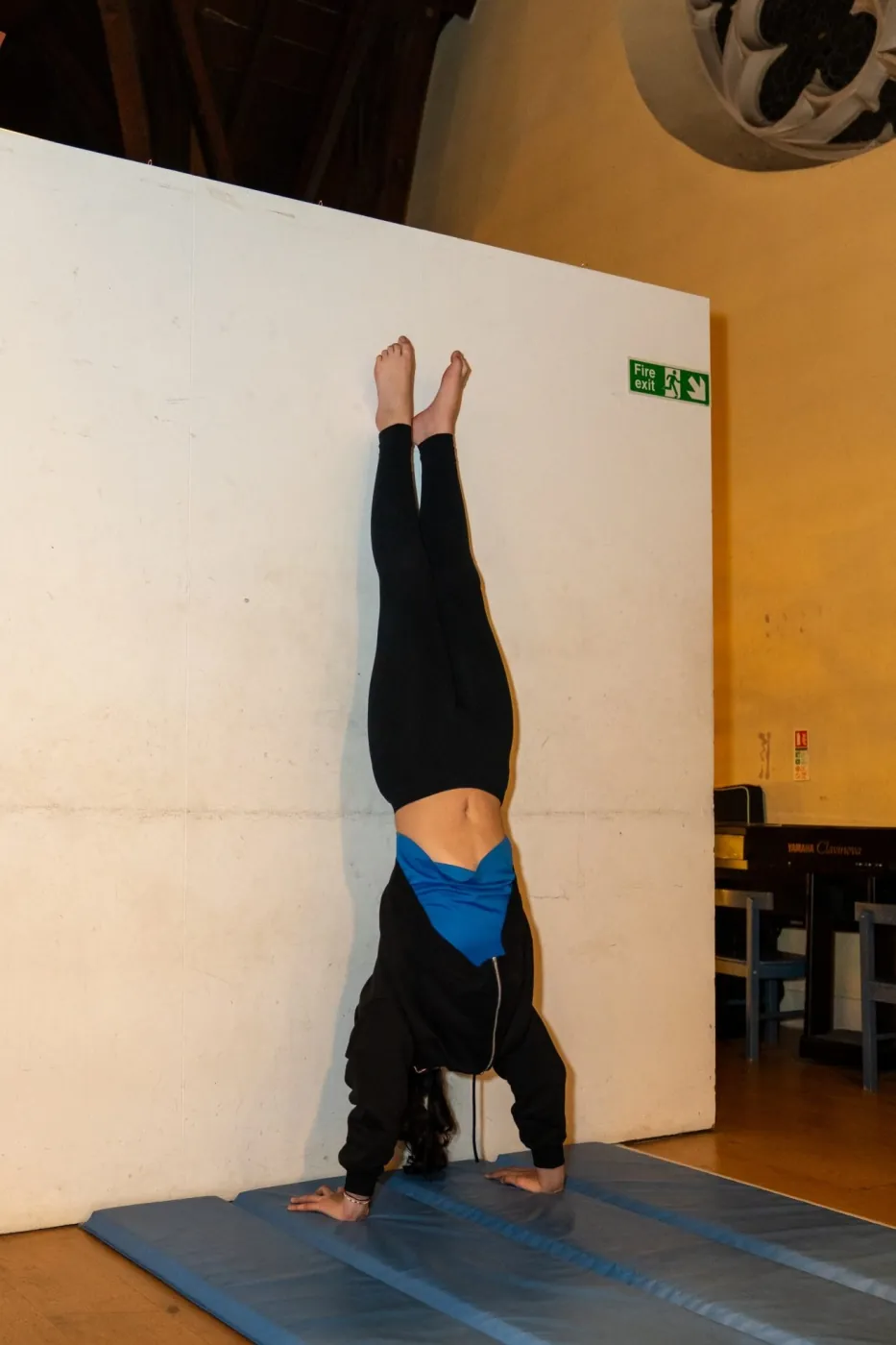
Controlled handstand preparation against a wall (with supervision)
Not recommended at home:
-
Back handsprings
-
Aerial skills
-
Bar skills without equipment
-
Complex tumbling combinations
Technical skills require qualified supervision. Attempting advanced elements without proper coaching increases injury risk and reinforces incorrect movement patterns.
Focus on Strength Before Skills
Many parents assume progress in gymnastics comes from learning harder tricks. In reality, strength and body control are the true foundations of improvement.
Gymnastics training for kids should prioritise:
-
Upper body strength
-
Core stability
-
Shoulder control
-
Symmetrical development
-
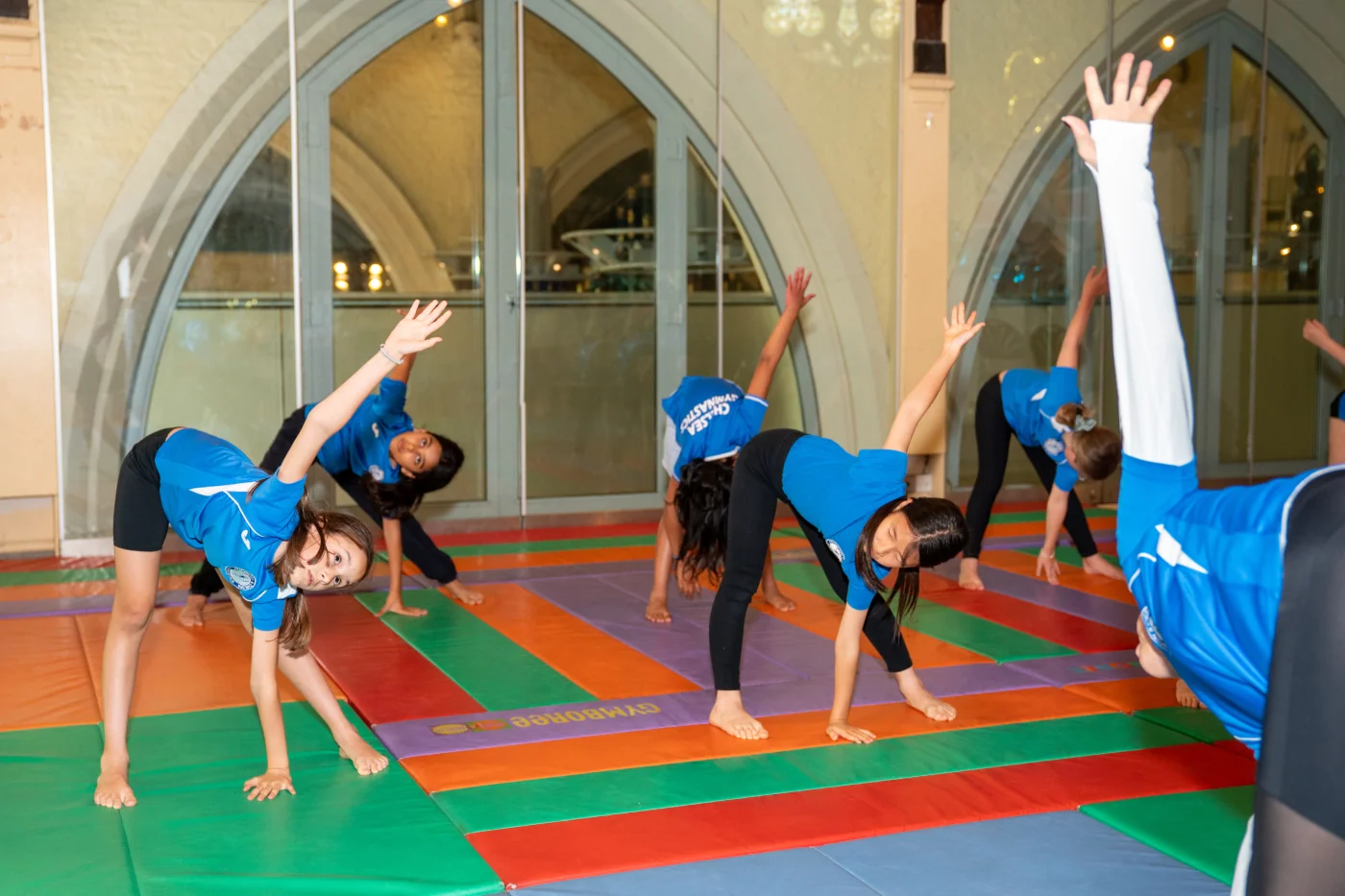
Balance and coordination
Bodyweight strength exercises are particularly effective for primary school children because they build control rather than force.
Examples of safe strength-building movements at home:
-
Bear crawls
-
Crab holds
-
Wall sits
-
Hollow body holds
-
Slow controlled push-ups
Five to ten minutes, two to three times per week, is more than enough.
Encourage Quality, Not Quantity
Progress in children’s gymnastics is rarely about volume.
It is about:
-
Controlled movement
-
Balanced strength on both sides
-
Good posture
-
Calm repetition
Encourage your child to move slowly and with control rather than rushing through exercises.
This approach not only supports safer development but also improves long-term coordination and motor skill refinement.
Build Confidence Without Pressure
Home practice should feel supportive — not evaluative.
Instead of correcting constantly, try:
-
Asking your child how the movement feels
-
Praising effort, not just outcome
-
Setting small achievable challenges
-
Celebrating progress over perfection
Confidence grows when children feel safe to try, adjust, and improve gradually.
The Role of Structured Coaching
Home support is valuable — but it cannot replace structured gymnastics training delivered by qualified coaches.
In small-group gymnastics environments, children benefit from:
-
Correct technical progressions
-
Supervised strength development
-
Balanced left-right training
-
Safe spotting and correction
-
Gradual skill sequencing
If you are looking for structured, research-informed gymnastics classes in Kensington, Chelsea, or Knightsbridge, our small-group sessions are designed to prioritise safe, progressive development.
Final Thoughts: Keep It Simple
Supporting your child’s gymnastics progress at home does not require advanced equipment or complicated routines.
Focus on:
✔ Strength
✔ Balance
✔ Coordination
✔ Consistency
✔ Encouragement
These foundations will naturally support skill development in class.
Gymnastics is a long-term journey — and steady, balanced progress always wins over shortcuts.
If you would like to explore the broader developmental advantages, you can read more about the benefits of gymnastics for primary school children.
👤 About the Author
Dr. Stefan Kolimechkov
Sports Scientist, British Gymnastics Coach, and Founder of Kensington & Chelsea Gymnastics Academy.
Dr Kolimechkov specialises in children’s physical development and health-related exercise science. His international, peer-reviewed research underpins the science-based approach used throughout the KCGA Academy, helping parents make informed decisions about their children’s long-term health and wellbeing.
📘 Continue Learning in the KCGA Academy
If you found this guide helpful, you may also be interested in exploring related topics in the KCGA Academy, where we share calm, evidence-based insights to support children’s physical development.
0 Comments