Is Gymnastics Safe for Children?
🔹 KEY POINTS
In this guide, you’ll learn:
-
Why it’s completely normal for parents to worry about gymnastics safety
-
What research actually says about injury risk in children’s gymnastics
-
The difference between recreational and elite gymnastics (and why it matters)
-
How good coaching, structure, and progression dramatically reduce risk
-
What London parents should look for in a safe, high-quality gymnastics programme
🔹 INTRODUCTION
If you’re a parent considering gymnastics for your child, chances are you’ve asked yourself a simple but important question:
“Is gymnastics actually safe?”
It’s a fair concern — and a sensible one. Gymnastics involves movement, strength, balance, and coordination, and from the outside it can sometimes look intimidating, especially when people associate it with elite-level skills seen on television or social media.
As a sports scientist and gymnastics coach, I’ve spent many years working with children of all ages, from beginners taking their first steps on the mat, to athletes training at a much higher level. What I can tell you with confidence is this:
When taught properly, gymnastics is one of the safest and most beneficial activities for children’s physical development.
In this article, I want to walk you through the evidence calmly and honestly, without hype, fear-mongering, or marketing language, so you can make an informed decision for your child.
🔹Why Parents Worry About Gymnastics Safety (And Why That’s Reasonable)
Many parents I speak to in Kensington, Chelsea, and across central London share similar worries:
-
Will my child get injured?
-
Is it too intense for young bodies?
-
What about wrists, backs, and growth?
-
Is gymnastics too demanding mentally?
These concerns usually come from watching elite gymnastics, not understanding recreational programmes designed for children.
Elite gymnastics is:
-
highly specialised
-
performance-driven
-
not representative of what most children experience
Recreational gymnastics, when delivered correctly, is fundamentally different.
🔹What Does the Research Say About Injury Risk?
This is where we move from opinion to evidence.
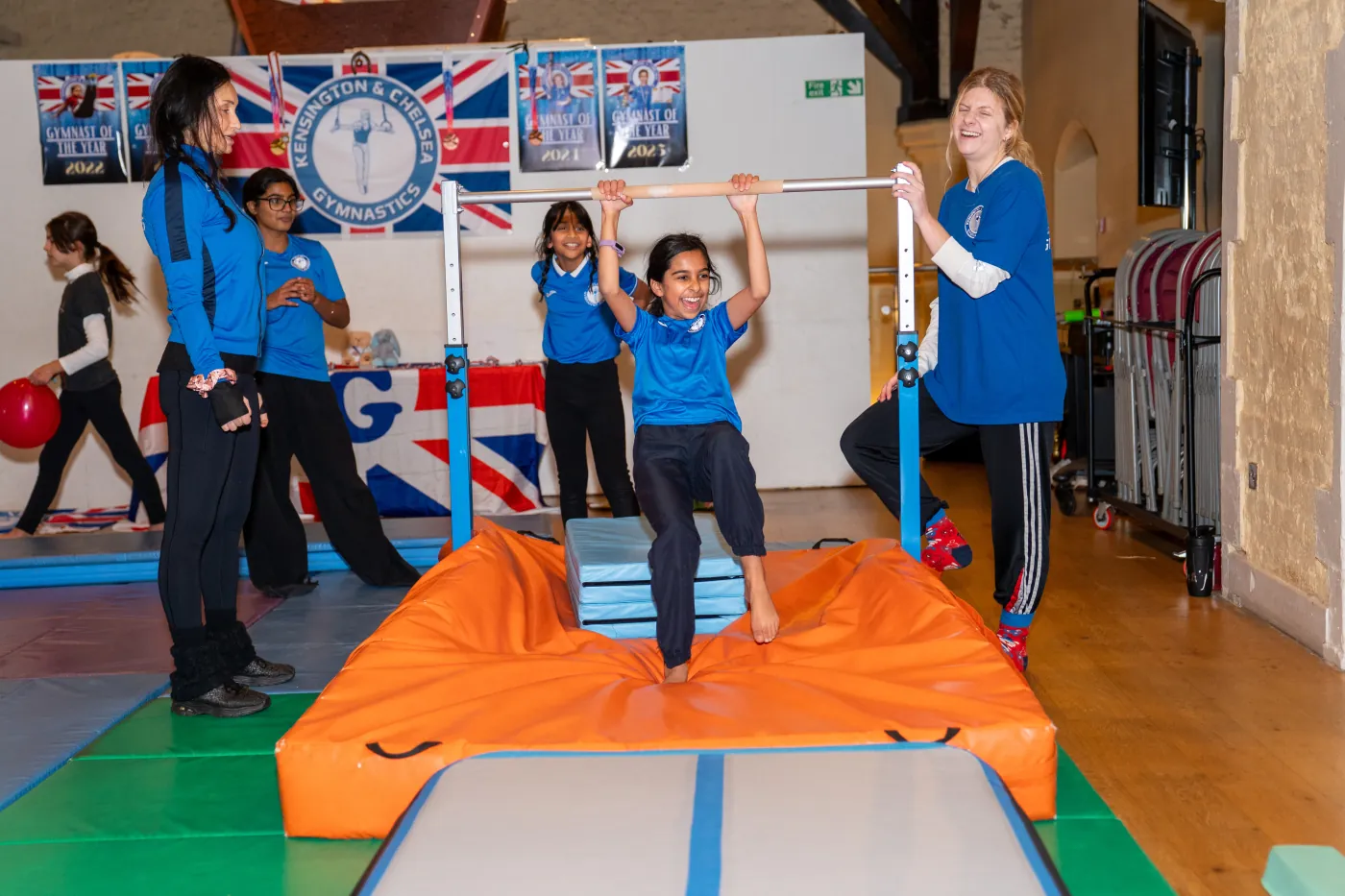
Large-scale studies consistently show that injury rates in children’s gymnastics are comparable to — and often lower than — many popular youth sports, including football, rugby, and even playground free play.
Importantly:
-
Most injuries in gymnastics are minor and overuse-related
-
Serious injuries are rare in well-structured recreational programmes
-
Injury risk increases mainly with poor progression, excessive volume, or lack of supervision
As I often explain to parents:
“Gymnastics itself isn’t dangerous — poor structure and rushed progression are.”
— Dr Stefan Kolimechkov
When children are taught age-appropriate skills, build strength gradually, and work on good movement patterns, gymnastics actually reduces injury risk in other sports later on.
🔹Recreational vs Elite Gymnastics: A Crucial Distinction
This is one of the most misunderstood areas.
Recreational gymnastics focuses on:
-
fundamental movement skills
-
body awareness
-
coordination
-
confidence
-
progressive strength and flexibility
Elite gymnastics involves:
-
early specialisation
-
higher training volumes
-
performance outcomes
Most children — and most parents — are interested in the first, not the second.
A high-quality recreational programme prioritises long-term development, not short-term results.
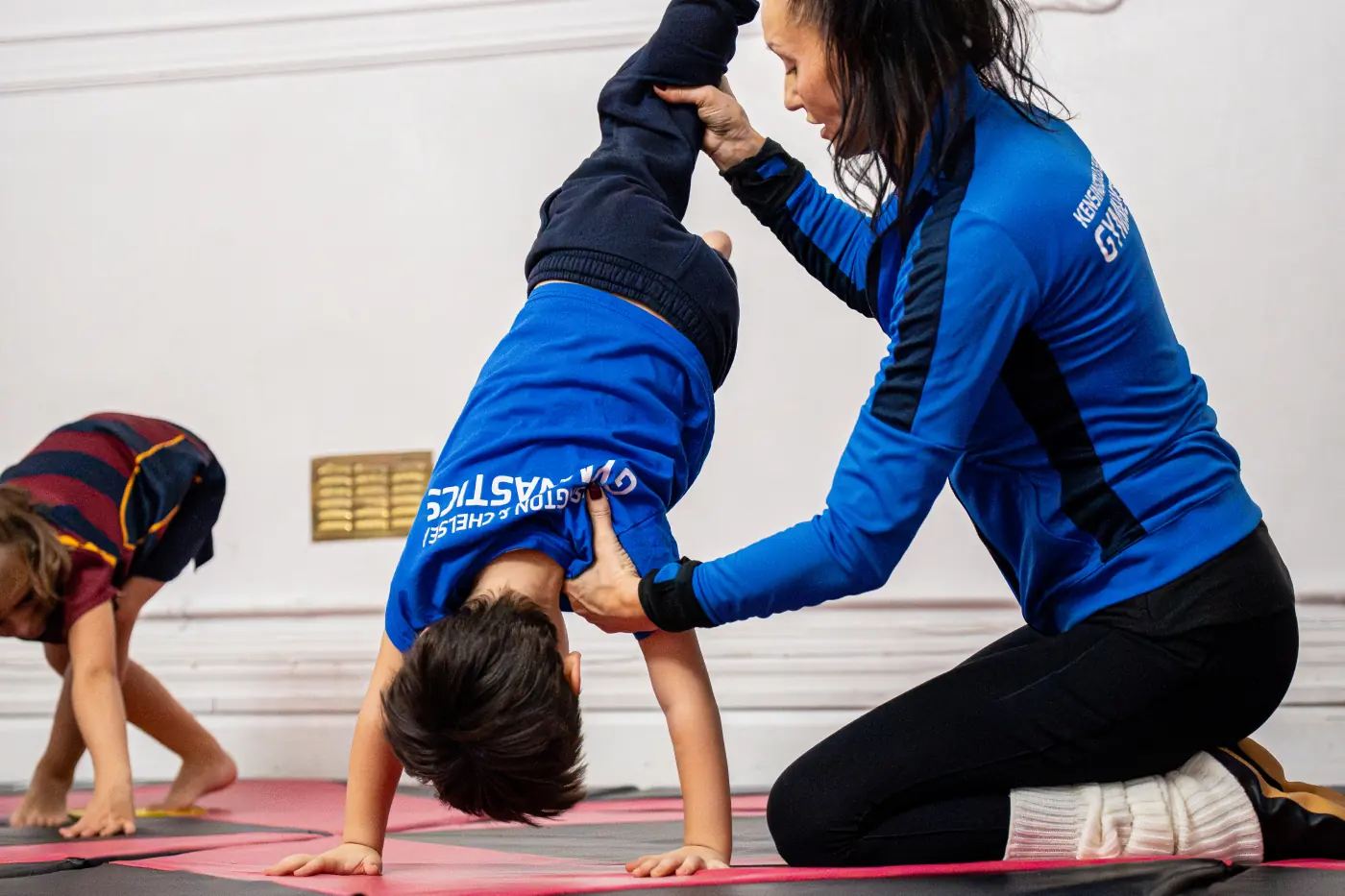
🔹How Good Coaching Dramatically Improves Safety
Safety in gymnastics is less about the sport itself and more about how it is taught.
Look for programmes that emphasise:
-
progressive skill development
-
strength before flexibility
-
quality of movement over difficulty
-
individual attention and feedback
From a scientific perspective, children need:
-
time to adapt
-
opportunities to explore movement
-
reassurance, not pressure
“Children don’t need to be pushed — they need to be guided.”
— Dr Stefan Kolimechkov
This is particularly important during the primary school years, when coordination and confidence are still developing.
🔹What Parents Should Look for in a Safe Gymnastics Programme
Here’s a simple checklist I often share with parents:
-
Are classes grouped appropriately by age and ability?
-
Is equipment adapted for children, not scaled-down adult training?
-
Do coaches explain why children are learning certain skills?
-
Is confidence encouraged as much as physical ability?
-
Are progressions gradual and individual?
If a programme feels rushed or overly competitive at a young age, that’s usually a red flag.
So… Is Gymnastics Safe for Children?
The short answer is yes — when done properly.
Gymnastics:
-
builds strength, balance, and coordination
-
supports posture and movement quality
-
helps children develop confidence and body awareness
-
lays a foundation for lifelong physical activity
Like any sport, it requires:
-
thoughtful coaching
-
appropriate structure
-
a child-centred approach
When those elements are in place, gymnastics is not just safe — it’s one of the most valuable physical activities a child can experience.
🔹FAQ
❓ Is gymnastics safe for young children?
Yes. When taught in age-appropriate ways, gymnastics is safe and beneficial even for very young children. Early classes focus on movement exploration, coordination, and confidence — not difficult skills.
❓ At what age can children start gymnastics safely?
Most children can start structured gymnastics between ages 4 and 5, depending on their readiness. The focus should always be playful, progressive, and pressure-free.
❓ Is gymnastics bad for growth?
There is no credible scientific evidence showing that recreational gymnastics negatively affects growth. In fact, good movement habits can support healthy development.
❓ Are injuries common in children’s gymnastics?
Serious injuries are rare in well-run recreational programmes. Minor bumps and aches can happen, as with any physical activity, but overall injury rates are comparable to many other sports.
❓ How do I know if a gymnastics programme is safe?
Look for qualified coaches, small group sizes, clear progressions, and an emphasis on technique and confidence rather than difficulty.
👤 About the Author
Dr. Stefan Kolimechkov
Sports Scientist, British Gymnastics Coach, and Founder of Kensington & Chelsea Gymnastics Academy.
Dr Kolimechkov specialises in children’s physical development and health-related exercise science. His international, peer-reviewed research underpins the science-based approach used throughout the KCGA Academy, helping parents make informed decisions about their children’s long-term health and wellbeing.
📘 Continue Learning in the KCGA Academy
If you found this guide helpful, you may also be interested in exploring related topics in the KCGA Academy, where we share calm, evidence-based insights to support children’s physical development.
0 Comments