From the Research Desk
Research, discovery and the editor’s scientific journey
Why I Chose to Become a Doctor — Twice
What a second PhD has taught me about research, curiosity and the years of work behind a scientific qualification
Why would someone who already has a PhD choose to start all over again?
I have asked myself that question more than once.
I completed my first PhD in Physical Education in 2018. Reaching that point had taken years of study, research and work in gymnastics. It would have been perfectly reasonable to regard the doctorate as the end of my formal education.
But I never really saw education that way.
By 2021, I was looking for something different: a new scientific environment, new research methods and questions that would take me beyond the work I had already completed. I was increasingly interested in ageing — particularly what happens to muscle strength, body composition and physical function as we grow older, and what might help us preserve them.
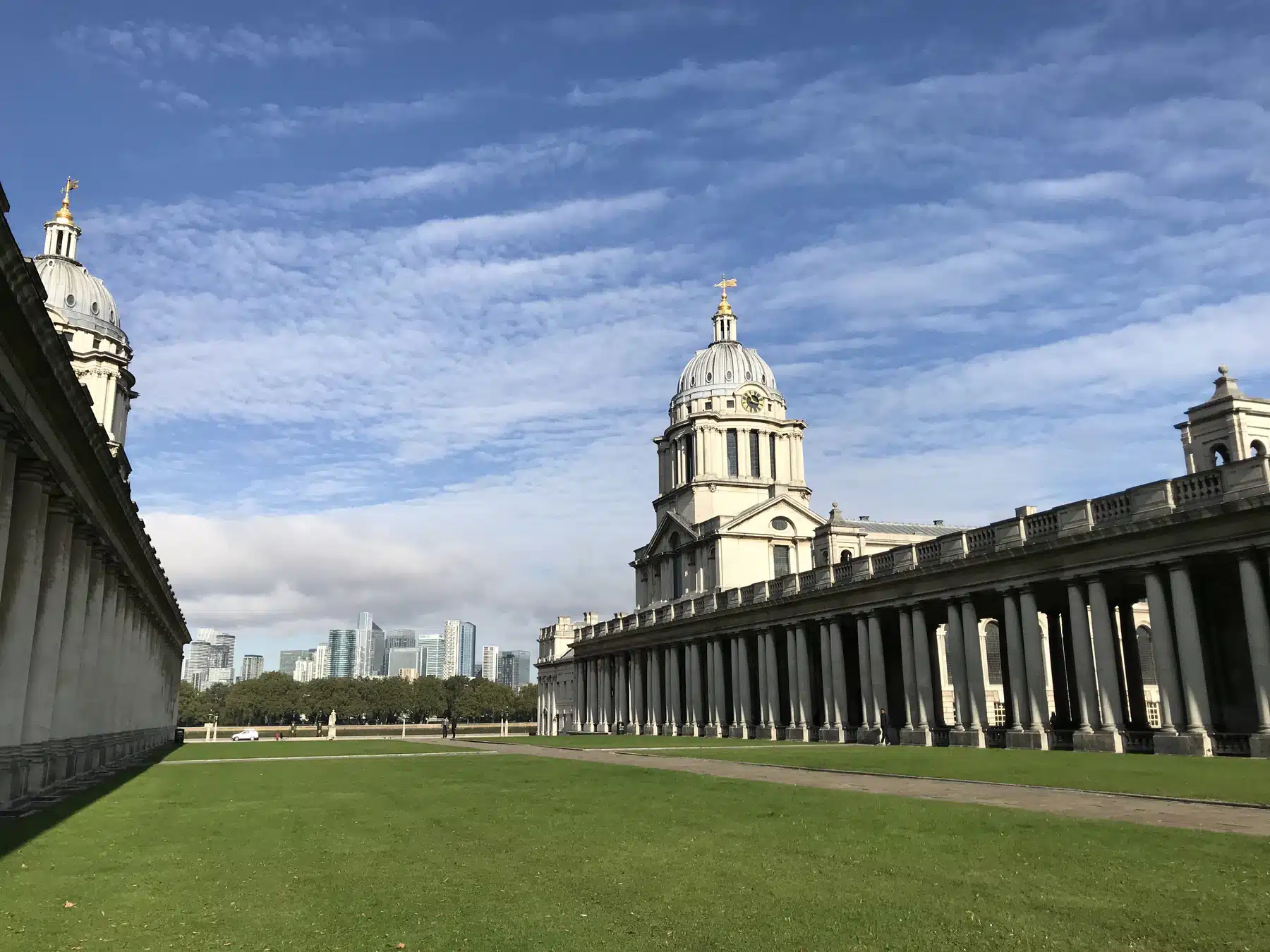
That curiosity brought me to the University of Greenwich.
I discovered an advertised research project in Human Sciences in May 2021. Over the months that followed, I prepared a research proposal, completed the application process and attended an interview. On 11 October 2021, I registered for the MPhil/PhD programme.
And suddenly, despite already having one doctorate, I was a doctoral student again.
The subject was different. The laboratory methods were different. The population was different. And, perhaps most importantly, I had to become comfortable with being a learner again.
Journey · chronology
How the work unfolded
A doctorate can eventually become a thesis on a library shelf. The years before that are much less tidy: training, protocols, participants, measurements, presentations, revisions, unexpected problems and questions that keep changing as you learn more.
Beginning again
Applied for and joined the MPhil/PhD programme in Human Sciences at the University of Greenwich. The research direction centred on microcurrent, resistance exercise, muscle strength, body composition and physical function.
Learning to measure
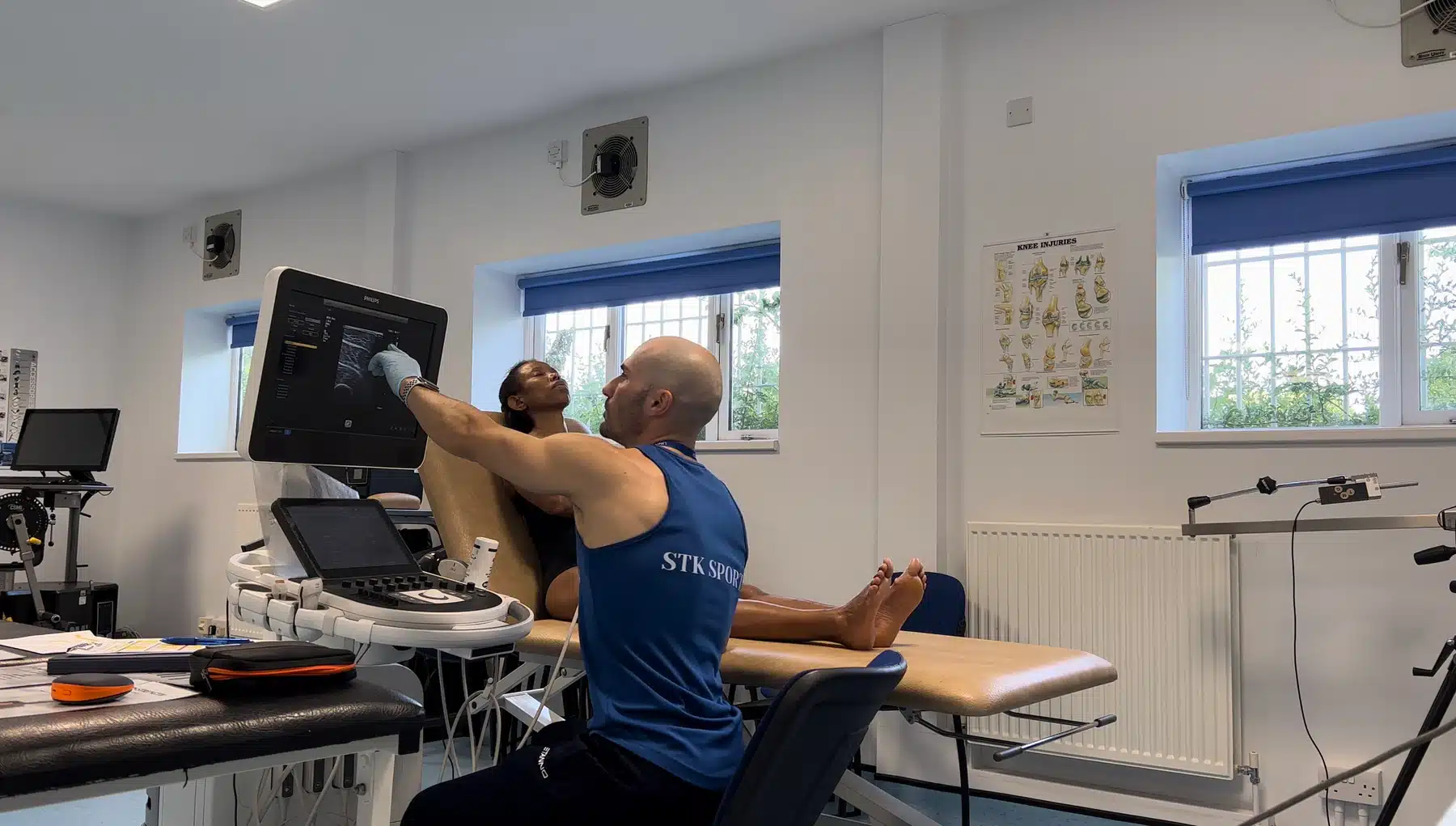
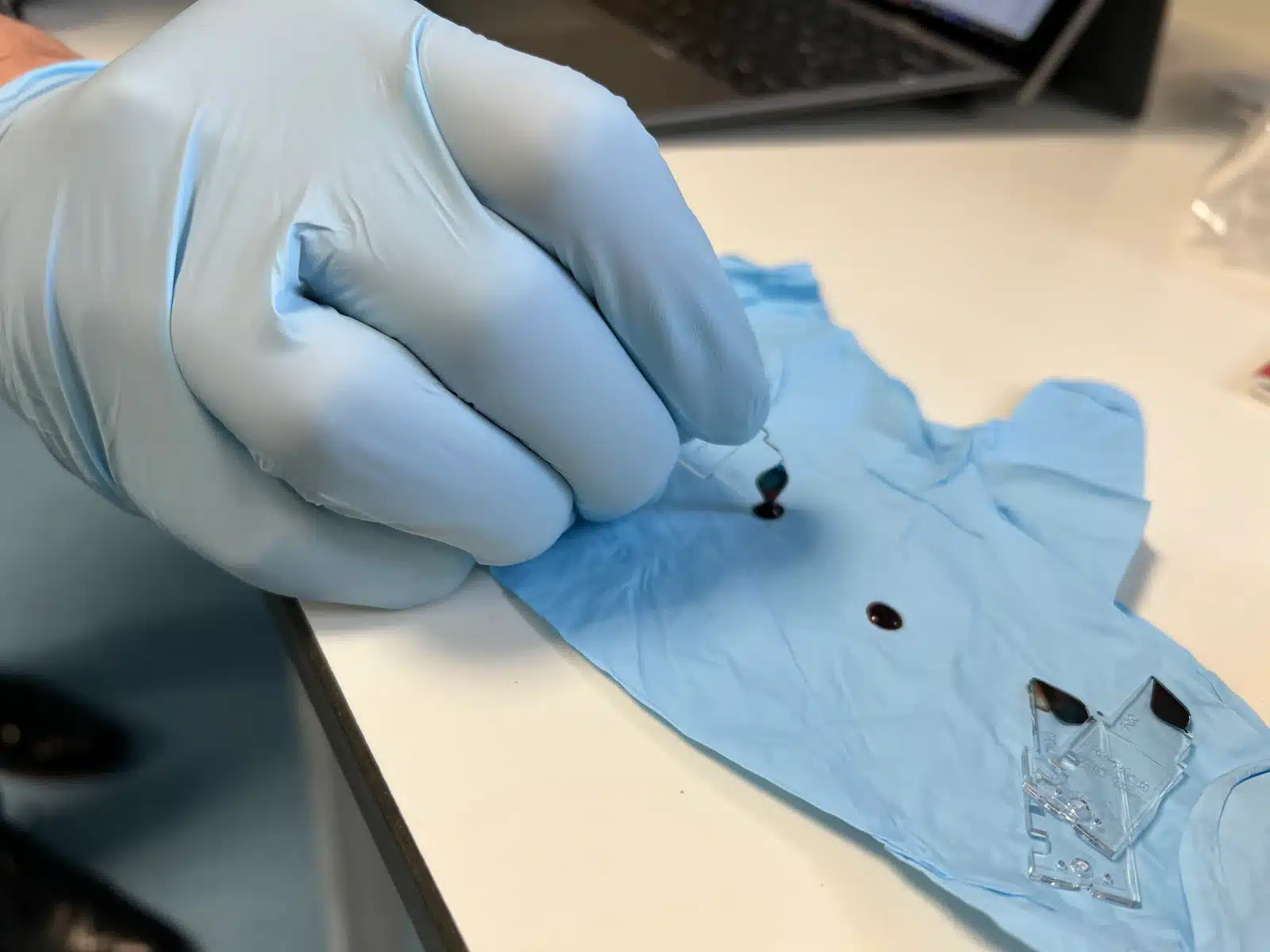
Completed training in microcurrent, musculoskeletal ultrasound, Bod Pod body-composition assessment and HemoCue measurement. Ethical approval was obtained for the first intervention, human data collection began, and the study was subsequently registered as a clinical trial[2].
Beyond the laboratory
The first peer-reviewed paper from the programme appeared in the 2023 print volume of the European Journal of Applied Physiology, after online publication in November 2022[3]. Preliminary findings were presented at international meetings, including ECSS in Paris[4].
Testing ideas internationally
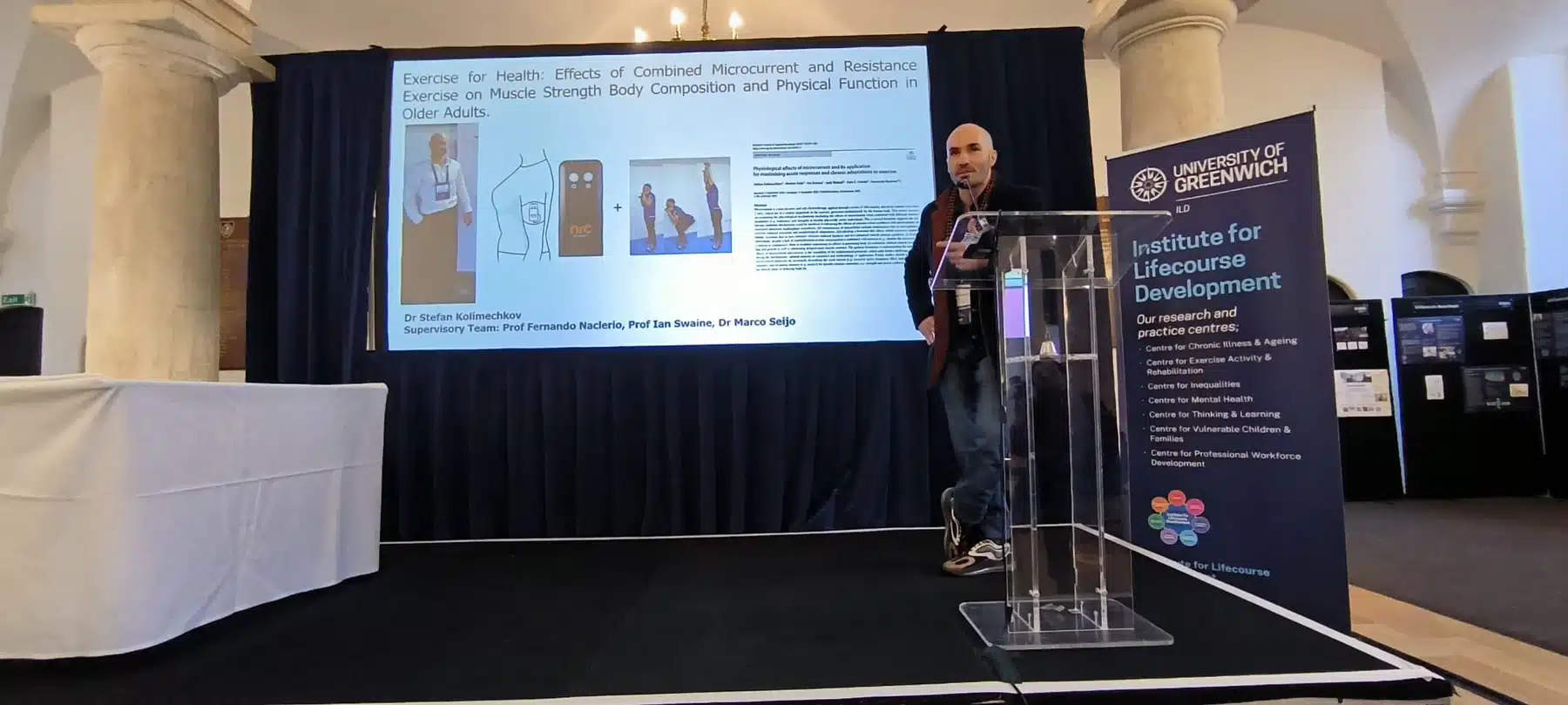
Research from the doctoral programme was presented at the ACSM Annual Meeting in Boston and at the ECSS Congress in Glasgow[4,5]. Each presentation created another opportunity for questions, criticism, discussion and refinement.
From measurements to meaning
The work increasingly shifted from collecting information towards analysing it, interpreting what the results can — and cannot — show, disseminating research and developing the doctoral thesis.
Completing the doctorate
The immediate goal is straightforward to describe and much harder to achieve: complete the thesis, submit it and defend the work successfully. Whatever happens afterwards should grow from the questions the research leaves behind.
Personal experience → scientific explanation
When I began, much of my attention was naturally on completing tasks: learn this method, collect this measurement, prepare this presentation.
Over time, my perspective changed.
A measurement is only useful if we understand what it represents and how reliably it was obtained. A statistically significant result is not automatically an important one[7]. And a study rarely provides the final answer to the question that started it.
Research gradually teaches you to become more careful with conclusions.
That may be one of the most valuable lessons of the entire process.
Research decisions and changing questions
The original project concerned the effects of microcurrent and resistance exercise on outcomes related to muscle, body composition and physical function.
But doctoral research does not happen in isolation. Reading the literature, learning new methods, working with participants, analysing data and discussing findings with other researchers continually expose new questions.
Some questions disappear because the evidence does not support them. Others become more interesting precisely because the answer is uncertain.
Learning which questions deserve to survive is part of becoming a researcher.
Methods · people · governance
Behind the qualification
Most people encounter research at the end: a journal article, conference presentation or completed thesis. Behind those outputs is a much less visible process.
Learning to measure
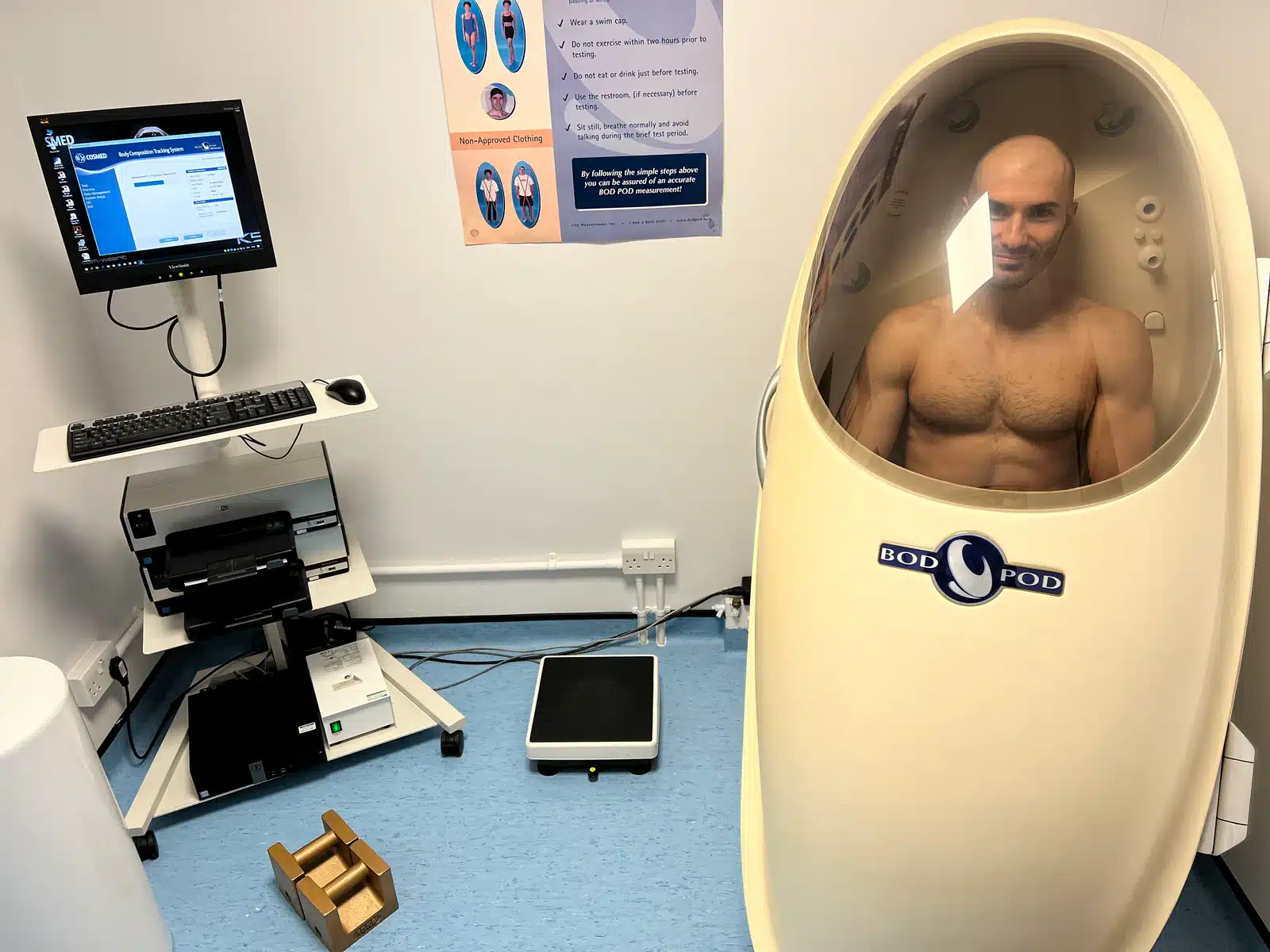
One of the biggest changes during this doctorate has been learning how much work can sit behind a single number in a research paper.
Body composition, for example, cannot simply be judged by looking at someone. One method I trained to use was air-displacement plethysmography with the Bod Pod[6].
The instrument estimates body volume by measuring changes in air displacement. Combined with body mass, this allows body density and estimates of body composition to be derived.
But the machine does not make good science automatically.
Participant preparation, clothing, calibration, measurement conditions and consistent procedures all matter. The same principle applies across research methods: measurement quality begins before the number appears on the screen.
Research with people
Human research carries responsibilities that extend well beyond measurement.
Before the first intervention could begin, the project required university ethical approval. The research plan, participant procedures and risks had to be considered in advance. The study was later registered publicly as a clinical trial[2].
Working with participants also changes how research feels.
A row in a dataset represents a person who gave their time and trusted the research process. Procedures therefore need to be not only scientifically useful, but ethical, consistent, respectful and appropriately governed.
That responsibility remains even after the participant leaves the laboratory.
Reflection · forward link
What the process changed
The doctoral journey may end with a qualification. The real journey is learning how to ask better questions, measure carefully, accept uncertainty and keep going when the answer is not yet clear.
— Stefan Kolimechkov
Research has made me less impressed by certainty.
That might sound strange. We often imagine science as the place where questions receive definitive answers.
In practice, the more closely I have worked with research, the more attention I have learned to give to limitations: how something was measured, who participated, how large the sample was, what alternative explanations exist, whether an association really demonstrates cause, and whether another study could reproduce the result.
That does not make scientific evidence weaker.
It makes good evidence more valuable.
I also think differently about questions now.
At the beginning of a research journey, finding the answer can feel like the goal. With experience, asking a question that can genuinely be investigated becomes just as important.
And that is why completing this doctorate will not end my research journey.
Some of the questions I now care most about return directly to the sport that has shaped most of my life: gymnastics.
Who actually has the opportunity to participate? How should gymnastics participation be measured scientifically? What happens when participation continues into adulthood and later life? And what might different histories of gymnastics participation mean for physical fitness, physical function and health?
I do not yet know where all those questions will lead.
That is precisely why they are worth asking.
Sources and further reading
- University of Greenwich. Dr Stefan Kolimechkov profile and Greenwich campus.
- ClinicalTrials.gov. Effects of Microcurrent Treatment With and Without Resistance Exercises. NCT05567237.
- Kolimechkov, S., Seijo, M., Swaine, I., Thirkell, J., Colado, J. C., & Naclerio, F. (2023). Physiological effects of microcurrent and its application for maximising acute responses and chronic adaptations to exercise. European Journal of Applied Physiology, 123(3), 451–465. DOI: 10.1007/s00421-022-05097-w · PubMed PMID 36399190.
- European College of Sport Science. Congress locations; Paris 2023 Book of Abstracts; Glasgow 2024 Book of Abstracts.
- American College of Sports Medicine. 2024 Annual Meeting programme; STK SPORT. ACSM Meeting 2024 event record.
- COSMED. BOD POD GS-X: air-displacement plethysmography.
- American Statistical Association. Statement on statistical significance and p-values.