From the editor
Editor’s Letter
The gymnast is visible. The network of people, knowledge and everyday choices around that gymnast is easier to miss.
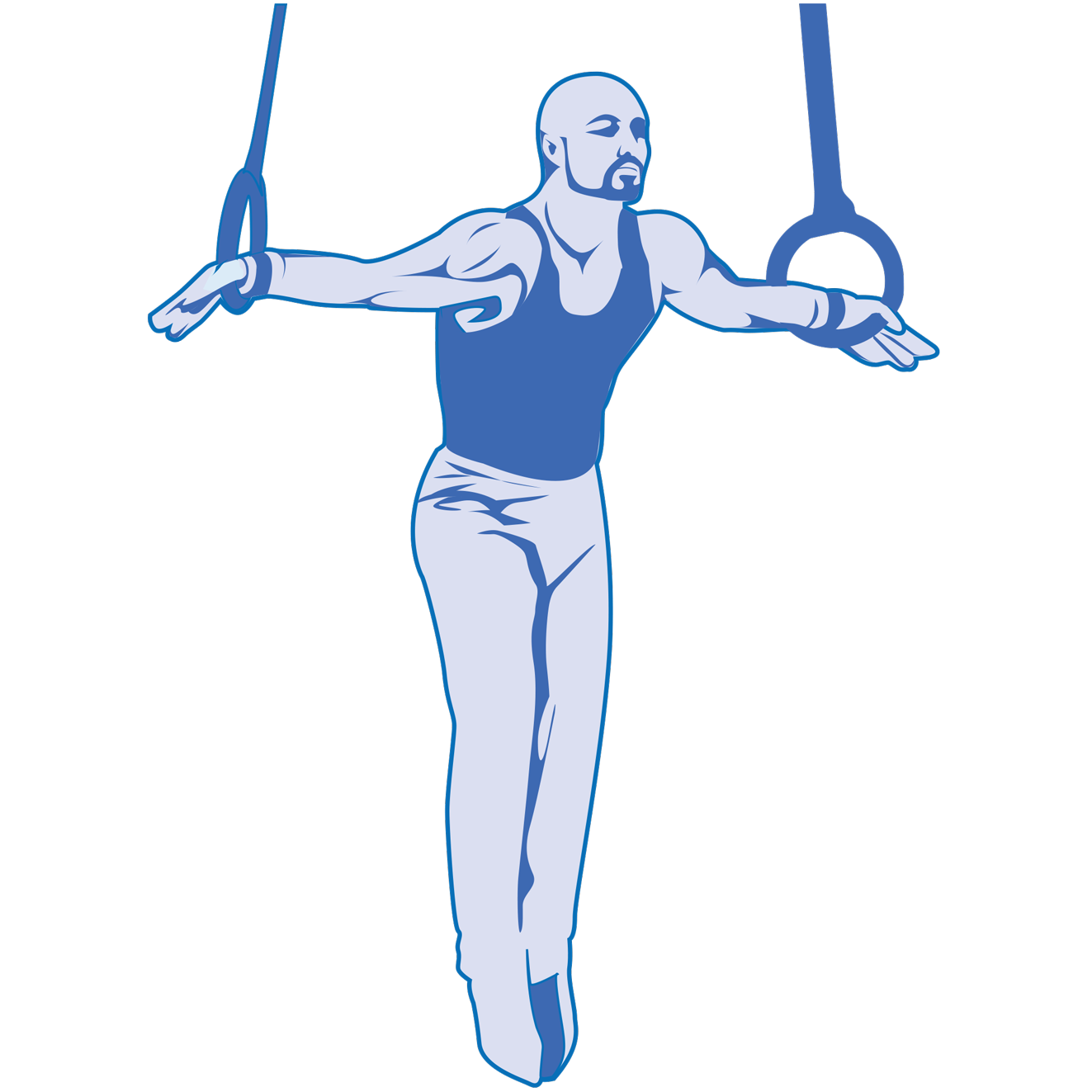
At a competition, attention naturally finds the athlete. We notice the held handstand, the strength on rings, the height of a leap and the moment of landing. A routine may last less than a minute. Yet the visible performance is only the final surface of something much larger.
Around every skill are coaches, judges, organisers and families. There are school days, journeys across London, meals eaten between commitments, sleep, recovery and the changing body. There are traditions that shape the sport, words that make teaching possible and scientific questions that remind us how much remains to be understood.
This issue asks readers to look around the skill.
We begin on the scientific stage. Gymnastics is increasingly present in research, sports medicine and professional discussion, and that deserves recognition. But visibility is not the same as certainty. A conference presentation, a clinical observation and a mature body of evidence do not carry identical weight. Our responsibility is to distinguish them clearly while still valuing the questions they allow the sport to ask.
The same care continues through the foundations chapters. The hip and pelvis are not reduced to a single posture or coaching cue; they are presented as a region through which the trunk and legs organise movement. Dietary fat is not treated as something a growing gymnast should fear, but as a normal and necessary part of food, development and an active life. Recovery does not begin when a lesson ends. It is shaped by the whole week—including school, travel, sleep, food, other activities and emotional load.
These subjects belong together because a child never arrives at gymnastics as an isolated body. A gymnast arrives with the day they have already lived. For families in London, that may include a long school day, crowded transport, traffic, sibling arrangements and a late journey home. Understanding that wider context does not lower expectations. It helps adults apply them with greater intelligence.
Looking around the skill also means looking towards the judging table. In our Gymnastics in London chapter, Hariesh Jegatheepan brings the perspective of a judge whose experience extends beyond the city and across international competition. Families see a score appear; they may not see the study, concentration, responsibility, teamwork and long days behind it. His contribution makes that work visible and shows why a positive competition cannot be measured by a medal alone.
History provides another layer. Men’s and women’s artistic gymnastics retain six- and four-apparatus programmes shaped through long sporting traditions. Those traditions should be understood and celebrated, while recognising that preservation and evolution can coexist. Each generation carries gymnastics forward by learning how to perform, teach, judge and explain it again.
The quality of a gymnastics experience depends on what surrounds the gymnast.
The final chapters return these ideas to family decisions. Coaching words such as control, technique and reset are compressed instructions whose meaning grows through practice. Choosing a programme requires more than asking which club is closest or most successful. Thinking about safety requires neither panic nor false reassurance, but calm questions about progression, supervision, communication and the individual child.
Chelsea gives younger readers the same message in simpler form: a skill may last for only a moment, but many people, choices and forms of care help a gymnast learn it.
That may be the central thought of Issue 4. The quality of a gymnastics experience depends on what surrounds the gymnast—and on whether those systems respect the child, the adult athlete, the family and the sport itself.
I hope these pages help you see not only the skill, but the knowledge, work and relationships that make it possible.